
There's a particular kind of relief that comes when an offer gets accepted. After the showings, the staging, the waiting, the back-and-forth — someone finally said yes. It feels like the finish line.
It isn't. Nationally, roughly one in twenty signed home sales still falls through before closing day — and most of those deals don't die at the negotiating table. They fall apart in the thirty to forty-five days after, the stretch agents call "under contract" or "pending," when the buyer's team finally starts looking under the hood. If you're selling a home in Richmond, this is the part of the process worth understanding before you ever list.
Here's something most sellers don't fully appreciate until they're living it: by the time a deal collapses, you've already taken your home off the market, told your friends it's sold, and maybe started packing. The surprise doesn't just cost you a buyer — it costs you weeks, leverage, and momentum. So let's walk through what actually derails a sale after the offer, and why almost all of it is preventable.

When the home inspection becomes a second negotiation
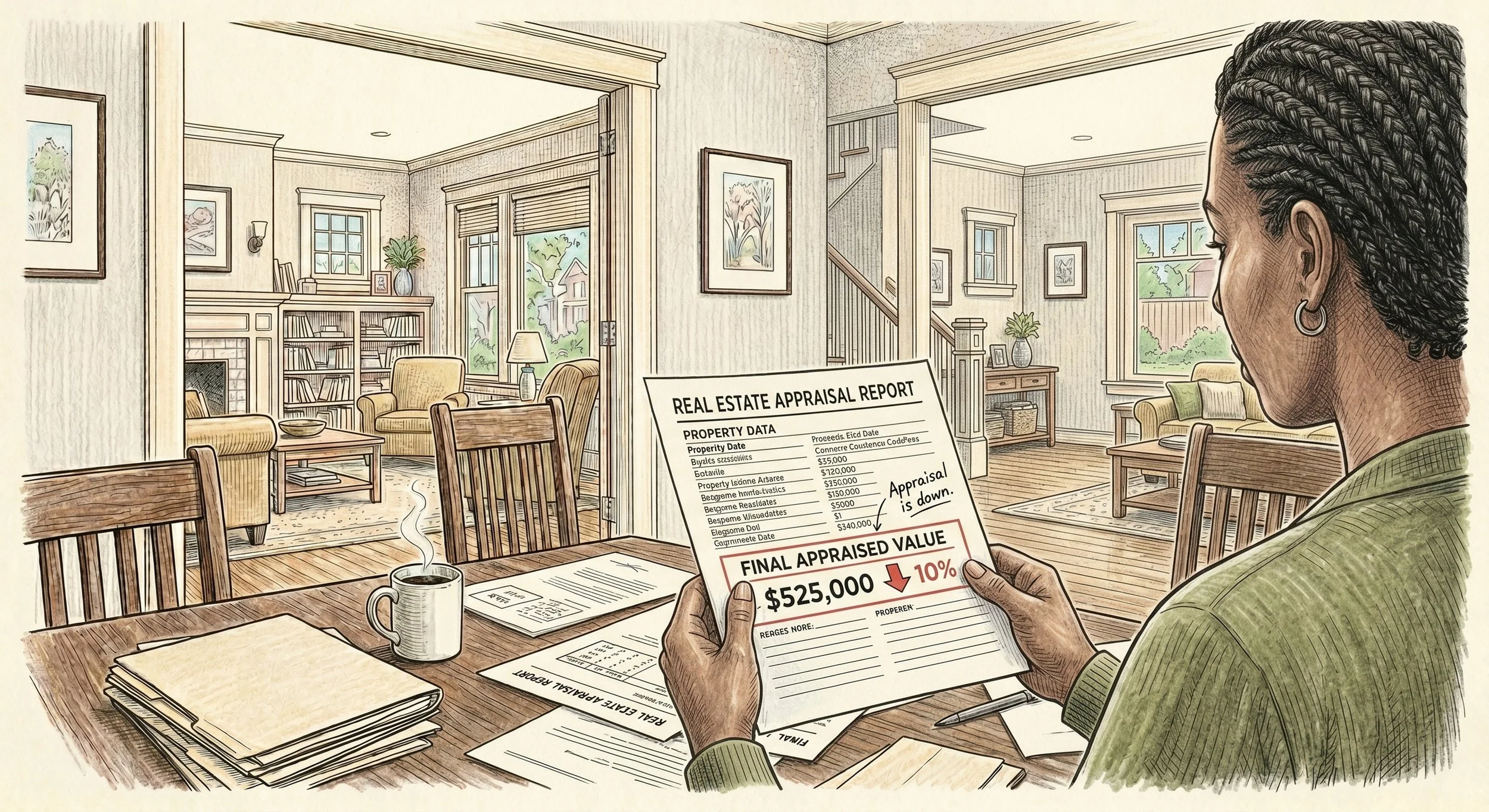
Your buyer is financing the purchase, which means a lender, which means an appraisal. If the home appraises below the contract price, the lender won't lend on the difference — the gap real estate folks call an "appraisal gap." Now someone has to bridge it: the buyer pays cash out of pocket, you lower the price, the two sides split it, or the deal stalls while everyone scrambles. In a market that's been moving quickly, appraisals coming in under contract are more common than sellers expect, and they tend to surface at the exact moment you have the least room to maneuver.
When the title search turns up a problem
Title work happens after the contract is signed, and it occasionally turns up things no one anticipated: an old lien that was never formally released, a boundary that doesn't match the county records, unpermitted work done by a previous owner, an heir who was never properly cleared from the deed. Most of these are solvable. But "solvable" still means delay, paperwork, and a closing date that slides — sometimes far enough that the buyer's rate lock expires or their patience runs out.
Every surprise costs you the same thing: time.
Any one of these issues, caught early, is manageable. The damage comes when they appear late, one after another, each adding days or weeks. Because the longer a closing drags on, the more can go wrong: rates shift, a buyer's circumstances change, cold feet set in, a more polished listing comes along to tempt them. A delayed deal isn't just an inconvenient deal — it's a fragile one. Every extra week is another week for something to break.
What every one of these has in common.
Look back at that list. The inspection findings, the likely appraisal, the condition of the title — none of it materializes by magic the day after a contract is signed. It was there the whole time. The only reason it detonates after the offer is that nobody went looking until the buyer's side went looking.

That's the entire idea behind Close Ready, our pre-listing approach. Do the legwork first. Run the checks, ask the hard questions, and address what's addressable before the sign goes in the yard — so the contract-to-close stretch has very little left in it to go wrong. When the buyer's inspector shows up, the answers are already on the table. When the appraisal comes, the price was set with eyes open. The questions that usually ambush a seller in the final stretch were asked and answered early, on your timeline, instead of under pressure.
To be clear-eyed about it: nothing makes a sale bulletproof. A buyer's financing can still wobble, and life still happens on both sides of a contract. But the large majority of what derails a closing isn't bad luck — it's a question that went unasked until the worst possible moment. Front-load the questions, and you take most of that risk off the table before it ever gets the chance to cost you the deal.
Accepting an offer isn't the win. Keeping it is — and keeping it starts long before anyone makes one. If you're considering a sale this year, it's worth knowing what your home is really worth and what it would take to bring it to market in clean condition. Our Richmond selling guide and our breakdown of the mistakes sellers make are good next reads.
Frequently asked questions about home sales falling through
What percentage of home sales fall through? Nationally, about one in twenty signed contracts — roughly 5% — don't make it to closing, though the number fluctuates with the market. Most failures trace back to four things: buyer financing, a low appraisal, the inspection, or a title problem.
What's the difference between "under contract," "contingent," and "pending"?Contingent means the seller has accepted an offer, but conditions are still open — inspection, appraisal, financing, or the buyer selling their own home — making it the most fragile stage. Pending usually means those contingencies have cleared, and the deal is in the final paperwork stretch. "Under contract" is the general term for the whole post-offer, pre-closing period.
Can a buyer back out after the home inspection? Usually, yes. If there's an inspection contingency and the buyer and seller can't agree on repairs or a credit, the buyer typically has the right to cancel and keep their earnest money. That's exactly why understanding your home's condition before you list matters so much.
What happens if the appraisal comes in below the offer price? The lender will only finance up to the appraised value, creating an appraisal gap. The buyer can cover the difference in cash, you can lower the price to match, the two sides can split it, or — if no one will bridge it — the deal can fall apart.
How can a seller keep a deal from falling through? Handle what's knowable before listing: the home's condition, its likely appraised value, and the status of the title. Price it realistically, and pay attention to how strong the buyer's financing actually is. Front-loading those questions removes most of what derails a closing in the final stretch.
Jon Bibbs is the founder of CSG Real Estate Advisors in Richmond, Virginia. Thinking about selling this year? Start the conversation
